


If your pallet needs to be wrapped, it needs to be wrapped properly. Applying the correct load containment force consistently is the key to effective pallet wrapping. The purpose of wrapping your pallets is to contain and protect your goods during transit and storage in the most efficient and cost-effective method.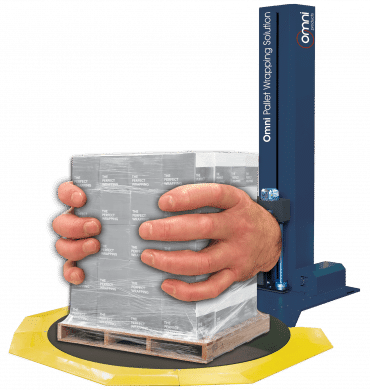

What is Load Containment Force?
Stretch Wrap Layers x Wrapping Tightness = Containment Force
Containment force is the squeezing pressure that the stretch wrap exerts on the load that it holds. Applying the correct load containment force is the key to effective pallet wrapping. More pallet wrapping film revolutions don’t mean your load will be more secure. A thicker stretch wrap also doesn’t mean your pallet load is more secure. These are common misconceptions about pallet wrapping.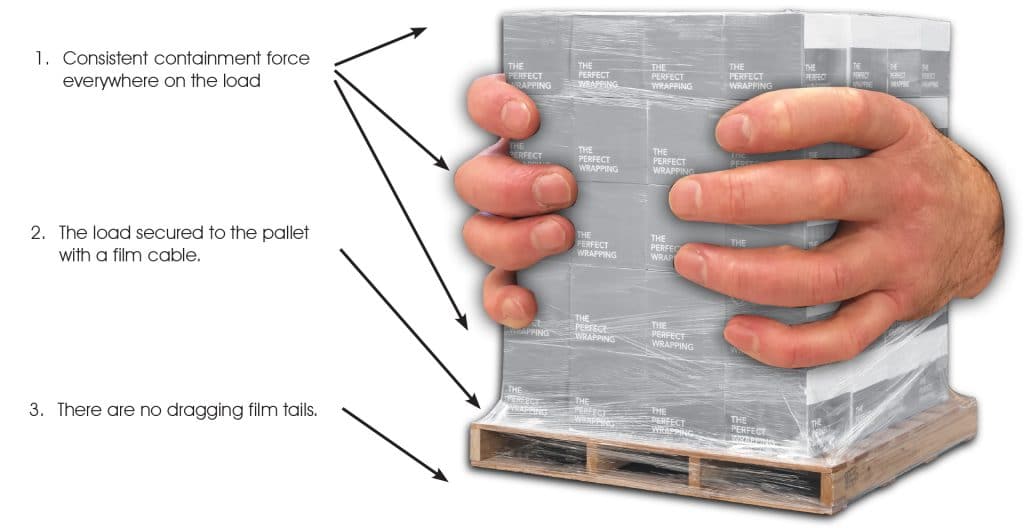

Why is correct load containment so important?
Over 50% of damaged pallet loads in transit are due to ineffective pallet wrapping. Your pallet loads may seem secure when they leave your warehouse but in what condition do they arrive at their destination? Inconsistent load containment force or poor load-to-pallet bond is the most common reason for pallet load failure. These preventable damages to pallet loads cost businesses millions per year. During transit, the load undergoes a lot of stress, such as abrupt starting and stopping, vehicle vibration, sharp turns, etc. If the load on the pallet is not correctly contained, there is a high risk of it being damaged.
The Omni Pallet Wrapping Machines have automatic tension settings to ensure the correct containment force is applied to all areas of the pallet. A load cell detects the corners of the pallet and releases the film tension to prevent crushed corners. This ensures your pallet load is secure while maximizing stretch film performance. 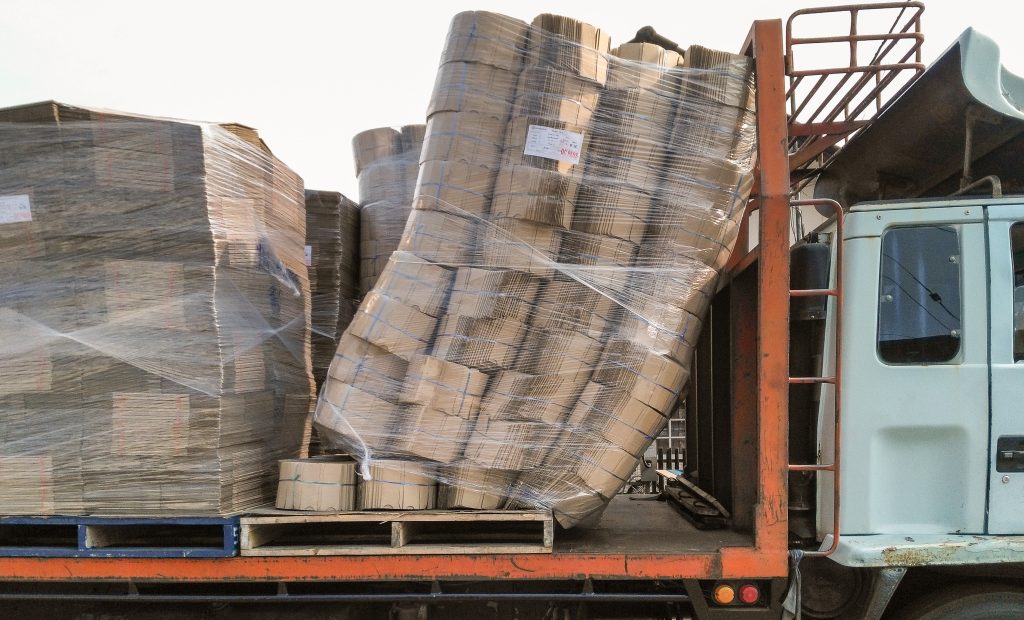

How to ensure correct pallet load containment?
Testing the containment force of your pallet load is the key to ensuring effective pallet wrapping that will survive transit and rough handling. These tests give you the accurate containment force of your wrapped pallet load. Like a chain, the containment force of a load is only as strong as its weakest point. Loads are most likely to fail when the containment force is below the minimum required level. That’s why it is important to test your containment force in three vertical positions of the pallet:
Top: 50 mm from the top, 560 mm from the right side of the pallet
Bottom: Half the height of the pallet from the top, 560 mm from the right side of the pallet
Middle: 230 mm above the lowest film cable, 560 mm from the right side of the pallet

Reinforced stretch wrap increases containment force by 60%
The reinforcements of PerformX Stretch Wrap act like ropes around the pallet, holding the load secure. As a result, the load security of the pallet is 60% more than conventional wrapping films. As well as improving load containment, these reinforcements mean fewer rotations are required to wrap the pallet, reducing plastic usage and wrapping time. The Omni PerformX unbreakable reinforced pallet wrap is the world’s most innovative, effective and sustainable pallet wrapping solution.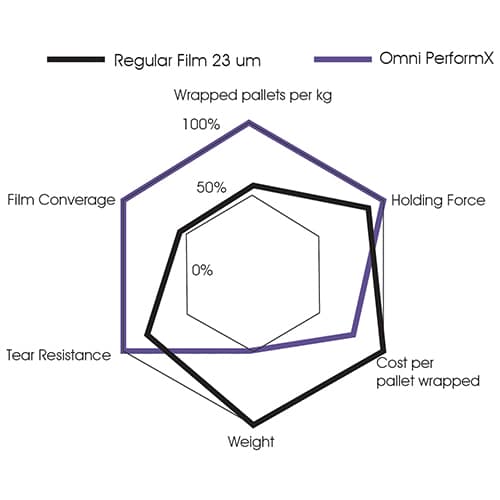

Load Containment Force Recommendations
Different types of loads require different amounts of containment force. To ensure that you have a stable and secure pallet load, it is important that a suitable containment force is applied to the pallet. The examples below highlight this point:
- Very light loads (0–200 kg): CFR = 0.9 to 2.3 kg
- Stable mid-weight loads (200–500 kg): CFR = 2.3 to 3.2 kg
- Heavy unstable loads (500–700 kg): CFR 3.2 to 5.5 kg
- Very unstable loads (750–1000 kg): CFR 5.5 to 9.1 kg


How to test pallet containment force?


